

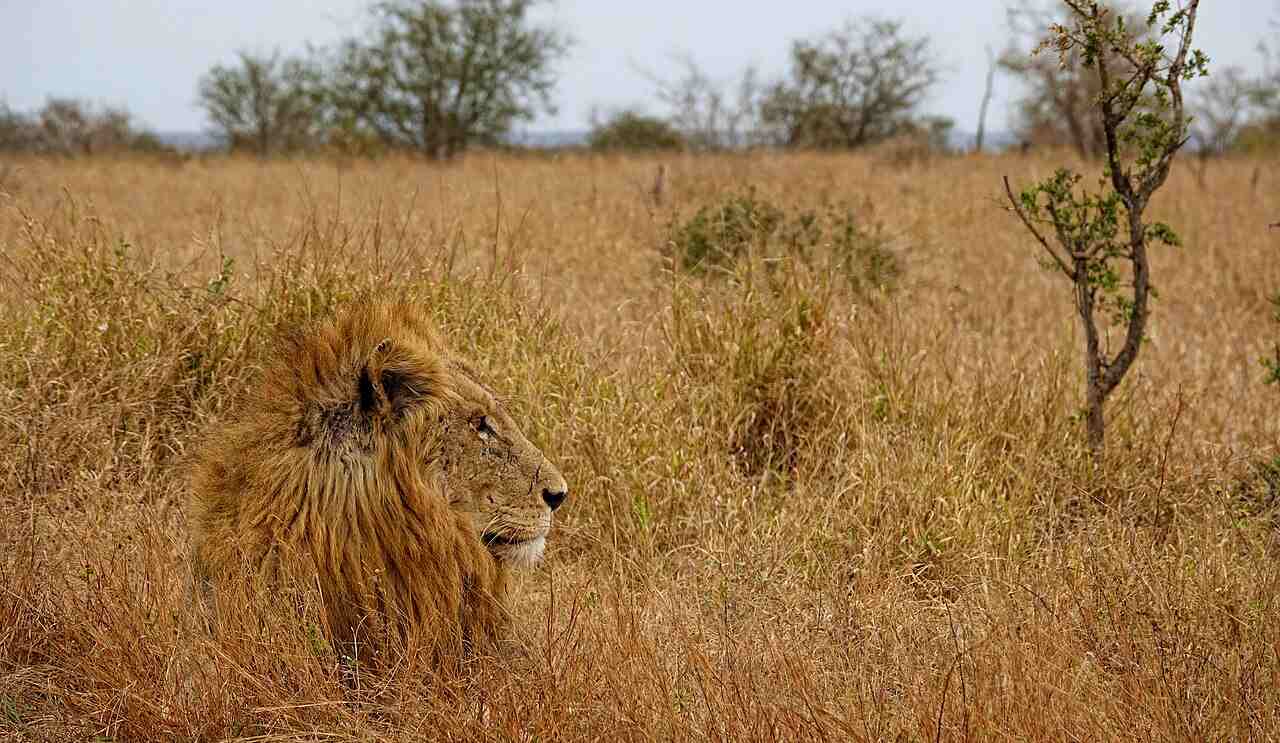
The science of disguising things is endlessly fascinating. Today we call this business “camouflage” which is a modern word of uncertain origin. It probably comes from a lyrical French expression which describes the action of “blowing smoke in someone’s face”! Now you see me, now you don’t. As I said, it’s fascinating.
In the First World War, the British and US Navies used a tactic called dazzle painting to disguise their ships from German U-boat attacks. It’s not the type of camouflage that tries to hide a big ship on the water (as if you could) but one that creates an optical distortion to make it difficult for the submarine rangefinders to get a fix on it. Clever.


The British painted about 3000 ships with these designs in WWI. Believe it or not, the razzle-dazzle camouflage technique came out of the modernist art movement (especially Cubism), but in reality, it just employed an age-old tactic that was already found in nature, as we’ll see below.
Why Hide?
 Why adopt disguises? Well, first of all, animals must hide from their enemies to avoid being eaten! The rationale for camouflage in the animal world is as simple and vital as that.
Humans have many other motives like deceit and evasion to avoid discovery, but the essential point is that this world is full of mortal enemies, and camouflage is a protection from them. Predators use camouflage too. Tricksters immemorial have invented all kinds of disguises to take advantage of the unwitting.
If I get one more email from Nigeria telling me some nobleman of the Kowabunga tribe has died without an heir and has left little old me several million dollars and all they need is my bank account number so they can wire the money to me, I’ll scream. I was born at night, but I wasn’t born last night.
So, camouflage is a double-edged sword in the human community, but in the animal world, it’s mostly for protection. There are lots of predators out there.
Incredible Disguises
God has endowed His weaker animals with amazing abilities to avoid detection. The curious thing is that the animals don’t know they have this camouflage. They just act on instinct with the colorings and costumes God has given them, and the tactics are quite interesting.
The “Camouflage” entry in Wikipedia lists more than a dozen types of camouflage, but for the sake of brevity, I’ll just lay out a few of the major techniques that animals use to avoid detection. In broad strokes, animals hide themselves in three ways: Blending, Masquerading, and Evasion. Sometimes these techniques overlap.
Blending: Hiding in Plain Sight
Most animals camouflage themselves by blending into their backgrounds or adapting themselves to some convenient element of their environment. Many animals and fish are eminently clever at this trick.
Go ahead and try to spot the Flying Dragon Lizard on the tree or the Leopard Flounder at the bottom of the ocean or the Mossy Leaf Tailed Gecko on the branch (whom you can only see when he stands up). They’re all unbelievable!
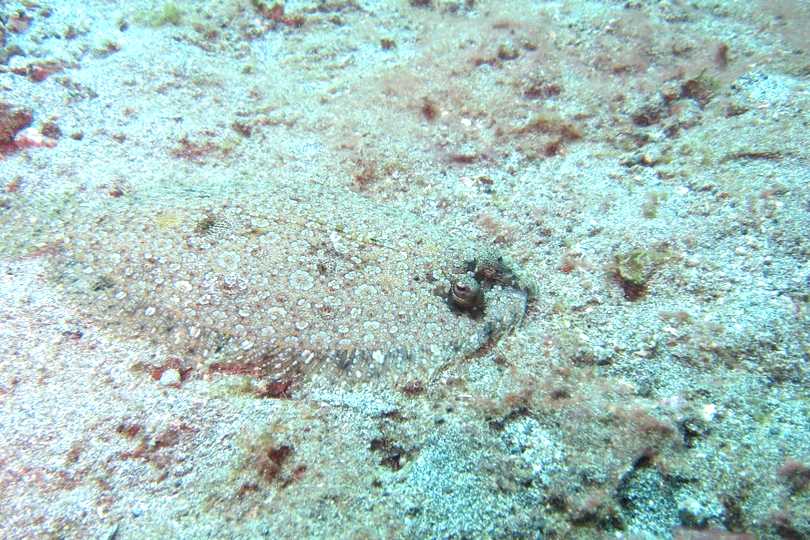
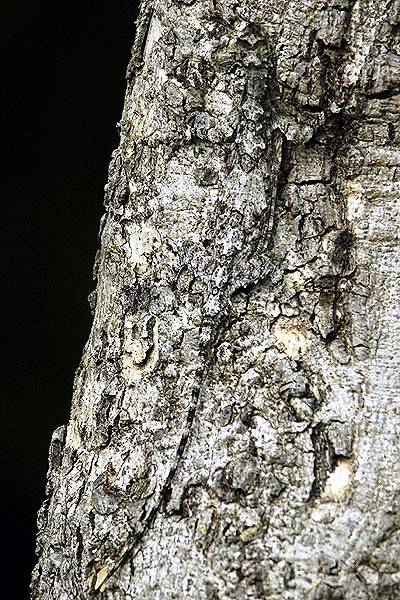

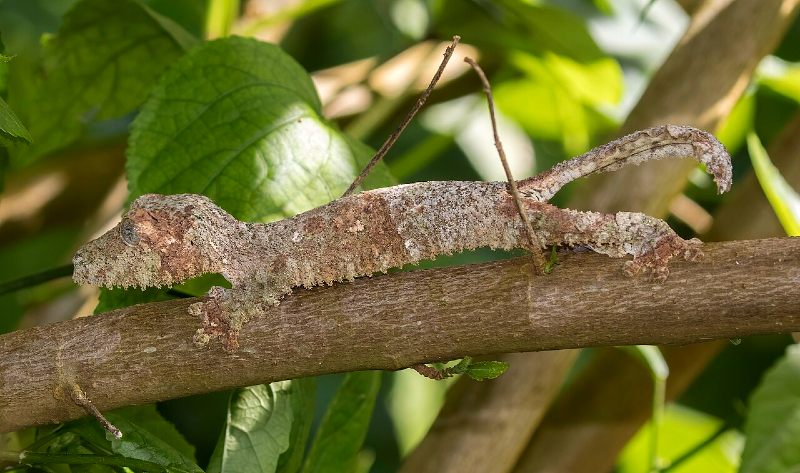
Some have natural coloring to match their backgrounds, others flatten themselves to eliminate their shadows, others remain extremely still hoping that their shape can’t be detected in the overall view of the surrounding environment.
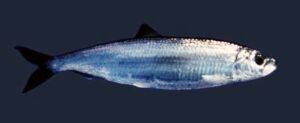 Also amazing are the fish like this sliver herring that have mirror-like scales that reflect light both upwards and downwards so that they can barely be seen by predators against the glow of the sky above.
The absolute wizards of blending, however, are the skin-changers: the bizarre and funny chameleons. They’re the mood-rings of nature.
Amazingly, their top layer of skin is transparent while the underlying layers have special cells that refract light in different ways. And it’s true that much of their skin-changing does in fact depend on their moods. They reflect the general sedate colors of their environments when they are relaxed but get all colorful when attempting to attract a mate. I know some people like that too.
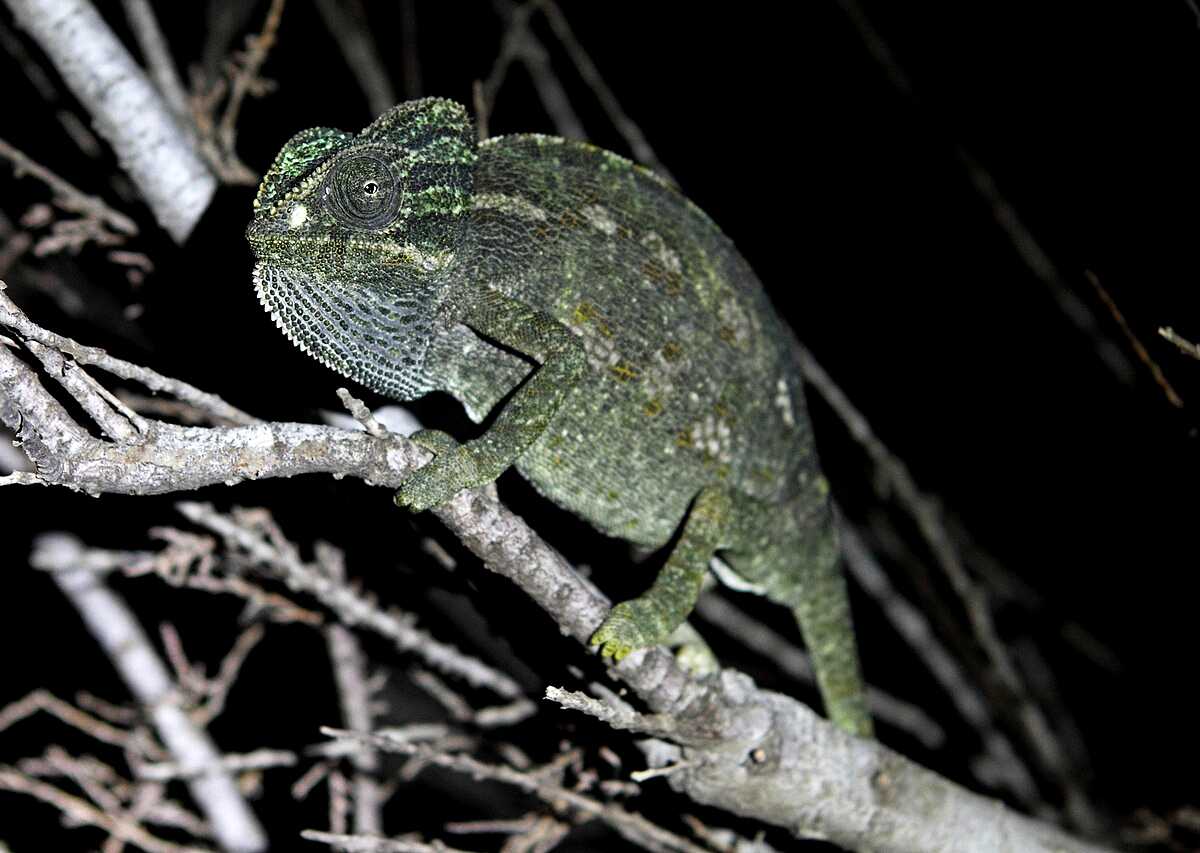
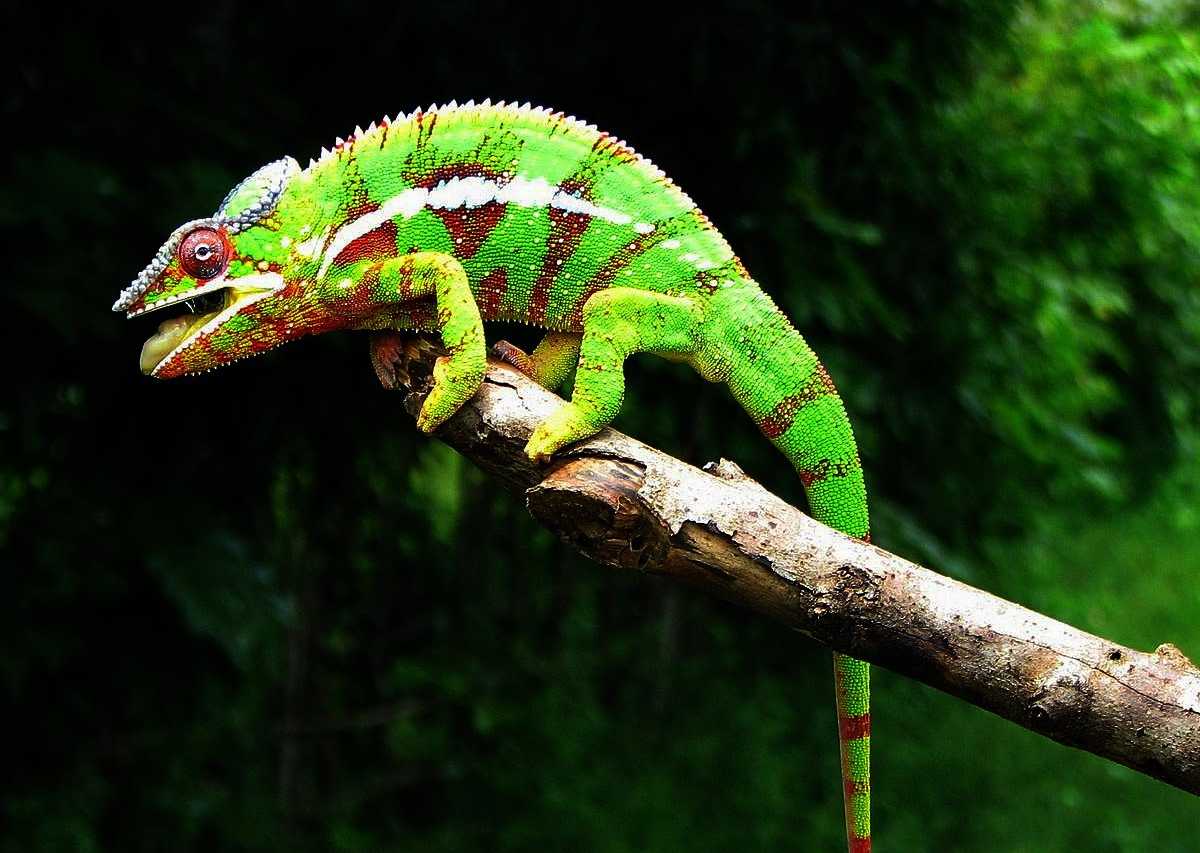
Speaking of human chameleons, there’s this Austrian band named the Chameleon Orchestra that is directed by a guy from Mozambique. I’m sure they mean well, but I can spot humans trying to imitate lizards a mile away.


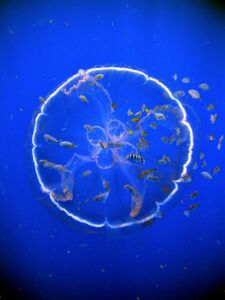 Anyway, two final blenders. There’s a species of jellyfish that does what no other creature of nature can do: he literally disappears except for a faint outline floating in the water. Who would want to eat that? His camouflage is utter transparency, which means he would never make it as a politician.
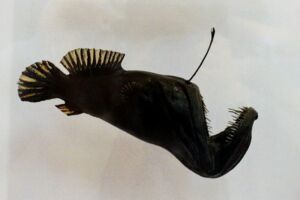 The one who would be a perfect fit for politics, though, is the Humpback Anglerfish whose Latin name is translated as “black sea monster,” with good reason.
He’s a predator who lives 3,000 feet below the surface and uses his dark coloring to blend into the blackness of the environment luring his prey with an innocent looking probe sticking out of his body. With a maw like that, he even kind of looks like a politician if you ask me.
Masquerading: Clever Pretending
 I’m fascinated by the disguises that animals adopt to make them look like something uninteresting to the predator. It’s another way of blending into their environment, but this mimicry tactic is a notch-up in cleverness. It comes from the way their very bodies are constructed. It seems that God thought all this out ahead of time.
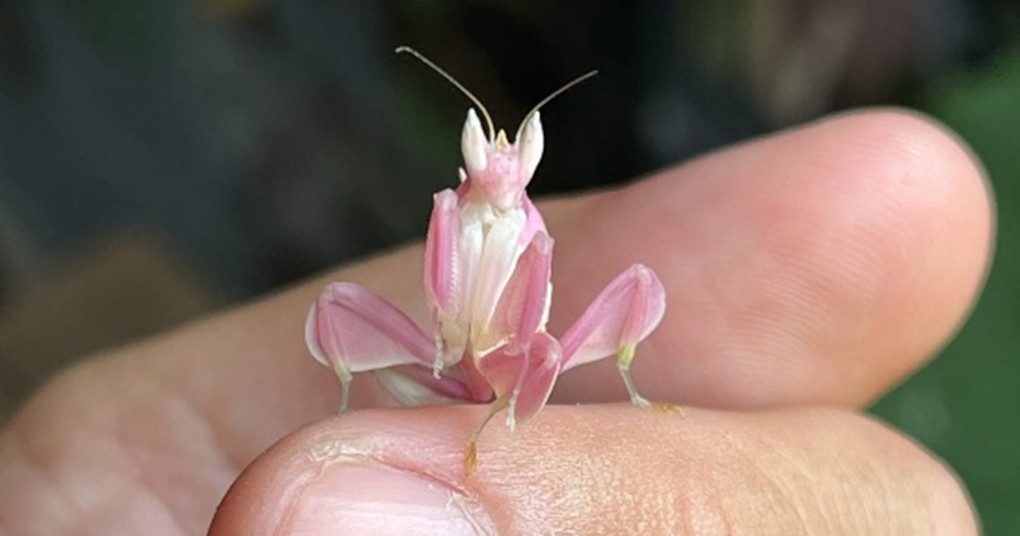
They masquerade as other things. For example, the beautiful orchid mantis looks—unsurprisingly—just like a little orchid. Even the human eye can barely discern the outline of the bug versus the actual flower. (Look closely for the eyes and antennas at the top.)
But this one’s a bit easier to spot outside its natural background.
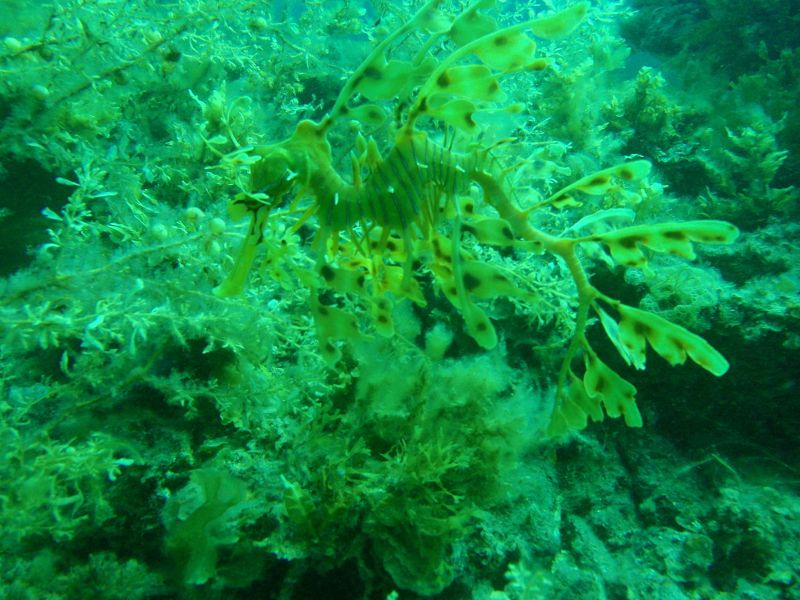
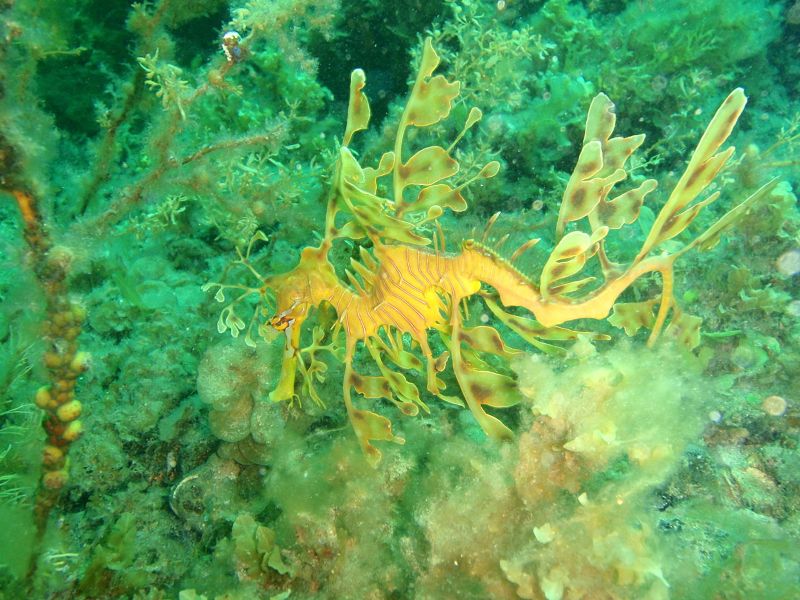
I wrote a Vignettes piece on the amazing Leafy Sea Dragon two years ago, but this little creature never ceases to charm. His very bodily makeup fits into his natural habitat seamlessly, even to the point of hovering and swaying in the currents like the kelp beds he swims in. Amazing!
These before and after pictures show the level of camouflage that this clever creature marshals in his own defense. A slight change of position and glint of light reveal him.
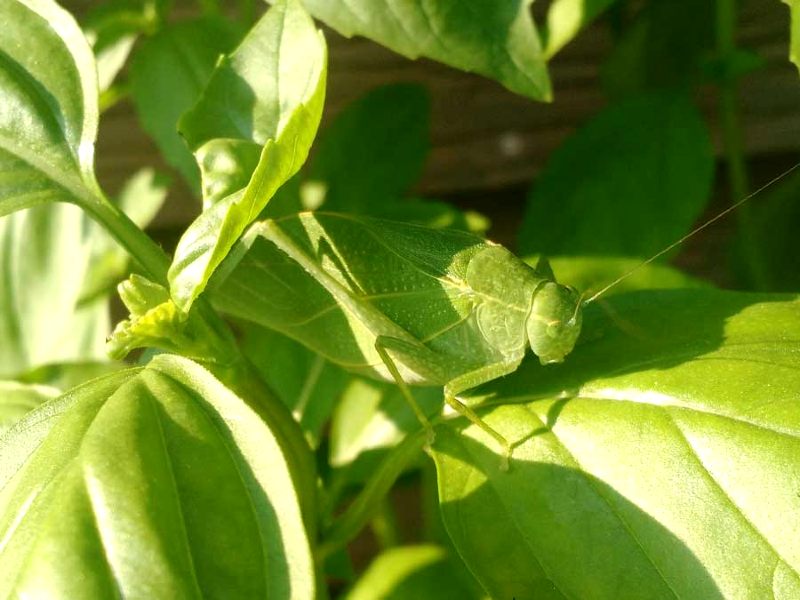
And then there’s the Leaf Katydid whose name is perfectly matched to her type of camouflage.
Evasion: Where’s Waldo?
One final category has to do with the evasive tactics animals employ to avoid being eaten. These are optical tricks of one sort or another that make it hard to find the 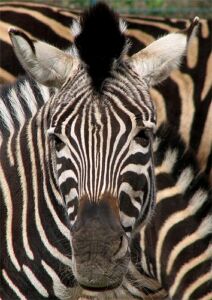 quarry, like nature’s version of “Where’s Waldo?”
The zebras are especially good at the kind of “dazzling” optical illusions like the Navy ships employed. Their stripes remind me of that chart where they show you a bunch of parallel lines together and you’d swear they’re actually crooked lines, but they’re not.
I don’t know how that happens, but zebras are like that too. They’re dazzling by design, especially when in a herd. Even sharp-eyed predators like big cats find them hard to pin down. In fact, I’m getting a bit dizzy just looking at this zebra picture.
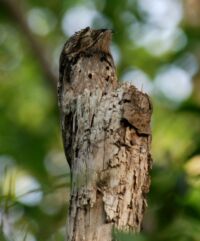 When the Common Potoo bird lands on a tree, sits there, and closes his eyes, he becomes a virtual extension of the tree he’s sitting on. Oh my goodness!
Another of this brand of camouflage is what military vehicles and uniforms are famous for. They call it “disruptive coloration” which are patchy designs (high contrast spots, stripes, detached blotches of disparate colors) that match unorganized backgrounds and often make it difficult to identify figures.
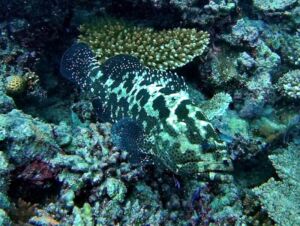 (This fish is sometimes called the “camouflage grouper,” and it’s not hard to see why.)
They say young giraffes, when their mothers are away getting food, sit very still in the bush and their contrasting markings make them difficult to “spot”—as long as they don’t move. The approaching predator looks at the scene before him and scratches his head, saying, “Wait, what am I looking at?” And that’s the whole point, isn’t it?
Spiritual Camouflage
Speaking of predators, we have an ultimate enemy whose power we cannot defend ourselves against by human means or cleverness. He’s pure spirit, so natural camouflage won’t help.
God assigns each of us a guardian angel to protect us daily from the devil and “all his works and all his empty promises,” but sometimes we just need a good spiritual disguise to evade his predations.
I’m sure this is true in my case. I often imagine a scenario in which, like the Book of Job, the angels present themselves before God, and the devil shows up at court too. He has been about the business of “prowling the earth and patrolling it” (Job 1:7). God asks him what he wants, and he says,
“I’m looking for this Peter Darcy guy. He’s bad, real bad, and You know it.”
The devil points an accusing finger at the Almighty. (He’s insolent like that, even to God.)
“And furthermore,” says the devil, “You know where he is. Darcy needs to pay for his sins, and I’m just the guy to make that happen. Hand him over.”
“I’m sorry,” says God, “But you must be mistaken. When I look at Darcy, all I see is a baptized soul clothed in a white garment. In fact, he looks a lot like my Son. I’m sure your sinful eyes can’t see through the blazing white. So, good luck finding him.”
And then: “Begone, vile creature!” At that, St. Michael steps up and drives the evil one out of the heavenly court with one sweep of his mighty sword.
(Darcy: “Whew. It was touch and go there for a while, but it looks like my spiritual camouflage worked. Thank you, Lord!”)
—–
Feature image: Lion in grass (Bjørn Christian Tørrissen);; Dazzle Ships (British; US); Dogs (Roy Smart); Anglerfish (Emőke Dénes); Camouflage Grouper (Julien Bidet); Silver Herring (Chiswick Chap); Grey Chameleon (Bouke ten Cate); Colorful Chameleon (Fanomezantsoa Andria); Chameleon Orchestra (Schorle A, B); Mossy Leaf-Tailed Gecko (Charles J. Sharp; Hidden; Revealed); Common Potoo (Chiswick Chap); Flying Dragon Lizard (Yathin S Krishnappa); Transparent Jellyfish (Sonke Johnson. Credit: Operation Deep Scope 2005 Expedition: NOAA Office of Ocean Exploration., Public domain); Katydid (Jeff Kwapil); Leopard Flounder (whatsthatfish.com).


_in_dazzle_camouflage,_1918.jpg)


_Montagne_d%E2%80%99Ambre_2.jpg)
_Montagne_d%E2%80%99Ambre_3.jpg)


Leave A Comment